
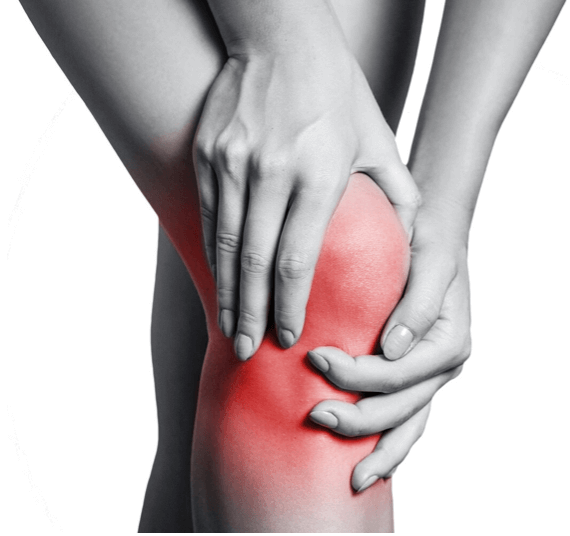
Are you getting knee pain with running or exercise? You may be experiencing patellofemoral pain syndrome also known as runner’s knee! Patellofemoral pain syndrome is characterised by pain around or behind the kneecap particularly with bending the knee such as during running, squatting or going up stairs.
Patellofemoral Pain syndrome can have no clear onset and gradual increase overtime, it is typically as a result of improper tracking of the kneecap, muscular imbalances around the knee, overload of the knee or trauma to the region.
Causes and Risk Factors:
So, what are some of the causes and risk factors involved with Runner’s knee or Patellofemoral pain?
Biomechanics and Muscular Imbalance:
One of the possible causes is an improper alignment or improper tracking of the patella during movement. This can be a result of muscular imbalances or due to poor biomechanics or structural abnormality. Things such as muscular weakness, muscular tightness, angular or rotational deformities, trochlea abnormalities, excessive foot pronation or poor movement patterns can all potential contribute to knee pain due to their interactions with how the patella moves.
Overactivity:
Many patients will describe the occurrence of patellofemoral pain in correlation with overload of the joint. This can a spike in workload such as increasing running distance, volume, frequency which results in the development of knee pain gradually. Other factors such as prior fitness, usual activity levels and history of knee pain can increase the risk to developing patellofemoral pain.
Trauma:
Direct or indirect injury to the kneecap area can also damage structures that can develop into patellofemoral pain or potentially be a risk factor.
Treatment Options
Treatment is typically conservative targeted at reducing pain, improving tracking, improving any muscular imbalances or deficits and graded return to previous activity.
Initially, treatment in the acute phase will focus on pain reduction via activity modification, ice, pain medication or anti-inflammatory medication temporarily within safe limits.
Treatment can also involve taping for the knee to reduce pain and provide support to the patella. Exercise is a key component to treatment with a combination of knee and hip exercises to increase strength, mobility and function of the lower limb. A graded return to previous activity is also key in the recovery phase. The exercises and return to activity should be as supervised by your physiotherapist to address deficits and minimize aggravation of pain.
Surgery is not typically recommended for patellofemoral pain and is considered a last resort of treatment, if pain persists for 24 months of non-operative therapy and pain is severe then operative measures may be considered.
Prognosis
The prognosis of patellofemoral pain is good, however, up to 40% of patients diagnosed may have continued symptoms. Risk factors for poor prognosis is the duration of pain as a pain that is greater than 2 months in duration, older age, hypermobile patella and symptoms in both knees may all be predictors of potential poorer outcomes.
That is why findings suggest that early management utilizing interventions that are known to decrease patellofemoral pain are key in improving long term outcomes.
Conclusion
Patellofemoral Pain or Runner’s Knee is a common injury that can cause pain and impact function of individuals lower limb. This can be due to multiple different factors such as poor biomechanics or malalignments, muscular deficits or imbalances, overactivity or overload of the knee and direct or indirect trauma to the kneecap region. Treatment will be dependent on the contributing factors to the pain but typically involves activity modifications, period of rest, pain management, ice, taping for the knee, exercise therapy and graded return to activity.
Prognosis is good for this and typically surgery is not required but early intervention is key in maximizing long term outcomes, so if you have kneecap pain or think you may have patellofemoral pain syndrome then don’t hesitate to call us on 03 9729 7777 to schedule an appointment with one of our experienced physiotherapists at Physio Elements.
References:
Collins NJ, Bierma-Zeinstra SMA, Crossley KM, et al Prognostic factors for patellofemoral pain: a multicentre observational analysis British Journal of Sports Medicine 2013;47:227-233.
Bump JM, Lewis L. Patellofemoral Syndrome. [Updated 2023 Feb 13]. In: StatPearls [Internet]. Treasure Island (FL): StatPearls Publishing; 2024 Jan-. Available from: https:// www.ncbi.nlm.nih.gov/books/NBK557657/