
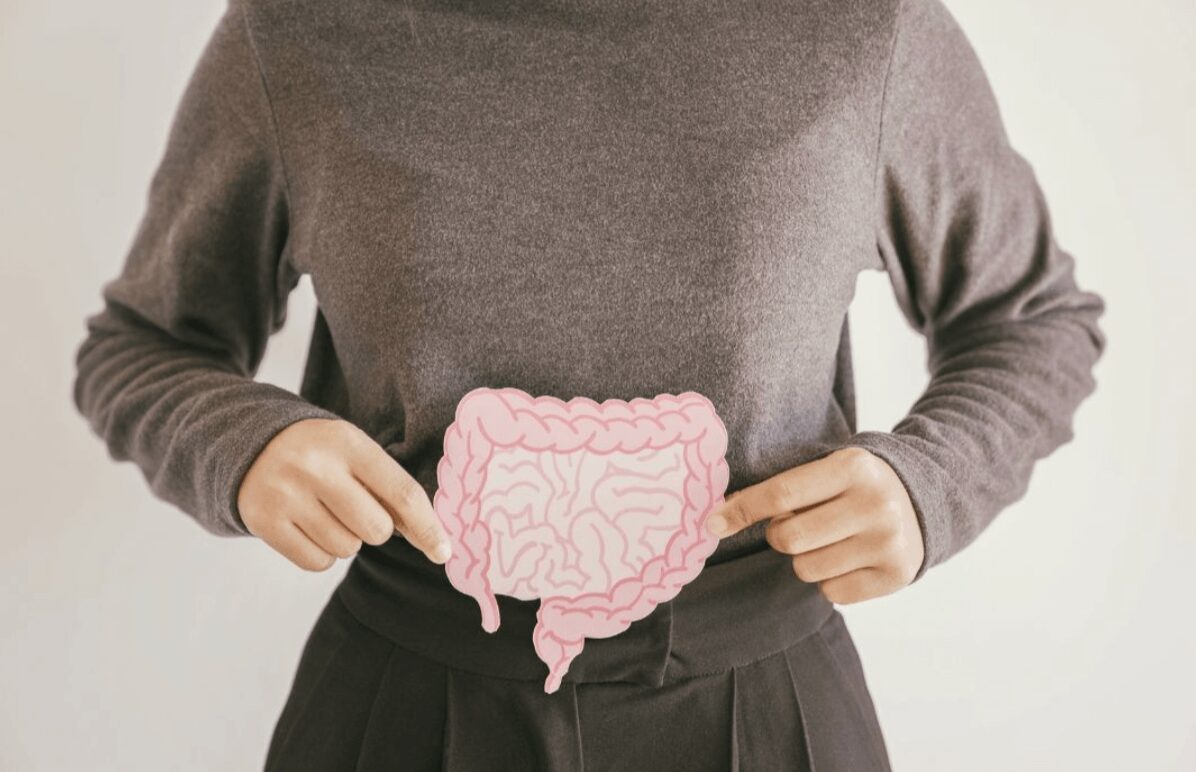
Simple steps to try today.
Have you noticed your lower back stiffens after meals? Or that on days when you feel bloated, your pelvis and hips seem tighter too? It is common to treat digestive symptoms and back discomfort as separate problems. In reality, your gut and your movement system constantly influence each other.
How digestive health affects spinal load
Your abdomen plays a central role in both digestion and stability. The diaphragm, your main breathing muscle, works with your deep abdominal muscles, pelvic floor and lower back muscles to regulate pressure inside your trunk. This pressure supports your spine during everyday activities such as bending, lifting and walking.
When your abdomen feels distended or irritated, your body often responds by bracing. This subtle tension can limit diaphragm movement, reduce trunk rotation and increase load through the lumbar spine and pelvis. If you have had abdominal surgery, scar tissue may further restrict tissue glide, contributing to a pulling sensation through the front of your body that affects how you stand and move.
Posture adds another layer. Slumping compresses the abdominal cavity, which may aggravate bloating and slow digestive motility, the coordinated muscular contractions that move food and waste through the gut. In turn, abdominal pressure and tension can make it harder to sit or stand upright comfortably. It becomes a cycle of compression and compensation.
Signs this connection may apply to you
You might notice back stiffness that worsens after meals, pressure across your abdomen when standing tall, difficulty taking a full breath without lifting your chest, or reduced ease when twisting. These patterns suggest your breathing, posture and digestive function may be interacting more than you realise.
What you can do: support gut function
Improving gut health is not only about what you eat. Movement matters. Gentle walking after meals can stimulate motility and reduce bloating. Seated trunk rotations and side bends performed slowly and comfortably can encourage abdominal movement and circulation.
Diaphragmatic breathing also supports digestive motion by creating a natural internal massage as the diaphragm moves rhythmically with each breath. Sitting posture can help too. After eating, aim to sit upright with your ribs stacked over your pelvis, feet supported and shoulders relaxed. This position reduces abdominal compression and allows the diaphragm to move more freely, supporting both digestion and spinal alignment.
And obviously, ensure you have a healthy diet and stay hydrated. Work fermented foods (kimchi, kefir, kombucha and k…. sauerkraut) and probiotic heavy yoghurts into your diet. But we’re physiotherapists so the movement side of things is our focus.
What you can do: ease abdominal and back tension
Practise diaphragmatic breathing lying on your back with knees bent, one hand on your chest and one on your abdomen. Breathe in through your nose, allowing your abdomen to rise gently, then exhale slowly and fully. Focus on softening rather than bracing. You can also use gentle, comfortable circular movements over your abdomen to encourage tissue relaxation. Pair this with light spinal mobility exercises, such as pelvic tilts or controlled rotations, to restore movement without forcing range.
How physiotherapy may help
In the clinic, we’ll assess how you breathe, how your abdominal wall functions and how your spine and pelvis move together. We’ll look at posture, mobility and patterns of tension that may be contributing to ongoing discomfort. Treatment may include careful manual therapy, targeted exercises and coordination with your GP or dietitian when appropriate.
If bloating and back tension tend to appear together for you, it may be time to explore the connection.
Call Physio Elements on 9729 7777 to book an appointment and let’s work towards improving both your digestive comfort and your movement confidence.