
Understanding Knee Injuries
The knee is one of the largest and most complex joints in the body. It plays a crucial role in everyday activities such as walking, running, climbing stairs, squatting, and participating in sport. Because of the demands placed on it, the knee is also one of the most commonly injured joints. Knee injuries can affect people of all ages, from young athletes to active adults and older individuals. Understanding the most common knee injuries can help you recognise symptoms early and seek appropriate treatment.
1. ACL Injuries
The Anterior Cruciate Ligament (ACL) helps stabilise the knee during twisting, pivoting, and rapid changes of direction.
ACL injuries commonly occur during sports such as football, netball, basketball, and soccer. They often happen when landing awkwardly from a jump or changing direction suddenly.
Common Symptoms
- A popping sensation during injury
- Immediate swelling
- Knee instability or giving way
- Pain during movement
Treatment may involve physiotherapy, rehabilitation, and in some cases, surgery.
2. Meniscus Tears
The meniscus is a piece of cartilage that acts as a shock absorber between the thigh bone and shin bone.
Meniscus tears can occur during sport through twisting movements or gradually develop due to age-related wear and tear.
Common Symptoms
- Pain along the joint line
- Swelling
- Clicking or locking sensations
- Difficulty fully bending or straightening the knee
Many meniscus injuries respond well to physiotherapy and exercise-based rehabilitation.
3. Patellofemoral Pain Syndrome (Runner’s Knee)
Patellofemoral Pain Syndrome is one of the most common causes of knee pain, particularly in runners, cyclists, and active individuals.
The condition involves pain around or behind the kneecap and is often related to training loads, muscle weakness, movement patterns, or biomechanical factors.
Common Symptoms
- Pain when running
- Pain during stairs
- Discomfort when squatting
- Pain after prolonged sitting
A tailored strengthening and rehabilitation program is often highly effective.
4. Patellar Tendinopathy (Jumper’s Knee)
Patellar tendinopathy affects the tendon connecting the kneecap to the shin bone. It commonly occurs in sports involving repetitive jumping, sprinting, and rapid acceleration.
Common Symptoms
- Pain below the kneecap
- Pain during jumping or landing
- Stiffness after activity
- Reduced sporting performance
Treatment typically focuses on progressive tendon loading and strengthening exercises.
5. Medial Collateral Ligament (MCL) Injuries
The MCL is located on the inside of the knee and helps resist forces that push the knee inward. MCL injuries often occur due to direct contact during sport or sudden twisting movements.
Common Symptoms
- Pain on the inside of the knee
- Swelling
- Tenderness along the ligament
- Instability during movement
Most MCL injuries can be managed successfully with physiotherapy and structured rehabilitation.
6. Knee Osteoarthritis
Knee osteoarthritis is a common condition that develops when the cartilage within the knee joint gradually wears down over time. While often associated with ageing, it can also affect younger individuals, particularly following previous injuries.
Common Symptoms
- Persistent knee pain
- Morning stiffness
- Swelling
- Difficulty walking or climbing stairs
Research consistently shows that exercise, strength training, and weight management are among the most effective treatments for knee osteoarthritis.
When Should You Seek Treatment?
It’s important to seek professional advice if you experience:
- Significant swelling
- Knee instability
- Locking or catching sensations
- Difficulty weight-bearing
- Persistent pain lasting more than a few days
- Reduced ability to participate in work, exercise, or sport
Early assessment can help identify the source of your symptoms and prevent minor issues from becoming long-term problems.
How Physiotherapy Can Help
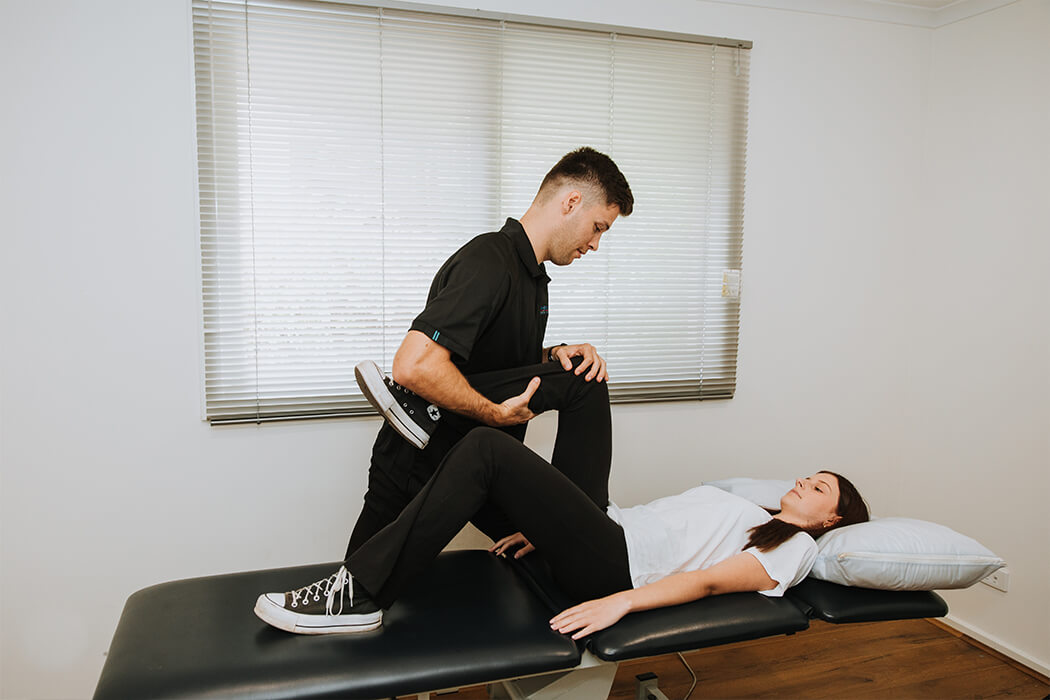
Physiotherapy plays an important role in diagnosing and treating knee injuries. Following a comprehensive assessment, your physiotherapist can develop a personalised treatment plan aimed at
reducing pain, improving mobility, restoring strength, and helping you return to your normal activities.
Treatment may include:
- Hands-on therapy
- Exercise rehabilitation
- Strength and conditioning
- Mobility programs
- Return-to-sport planning
- Injury prevention strategies
Knee Injury Treatment in Kilsyth
At Physio Elements, we help patients recover from a wide range of knee injuries, from sporting injuries and ligament tears to persistent knee pain and arthritis. Our experienced physiotherapists provide evidence-based assessment and treatment tailored to your goals, helping you move confidently and get back to doing what you love.
If you’re experiencing knee pain or have recently injured your knee, contact our team to arrange an
assessment and start your recovery journey.