
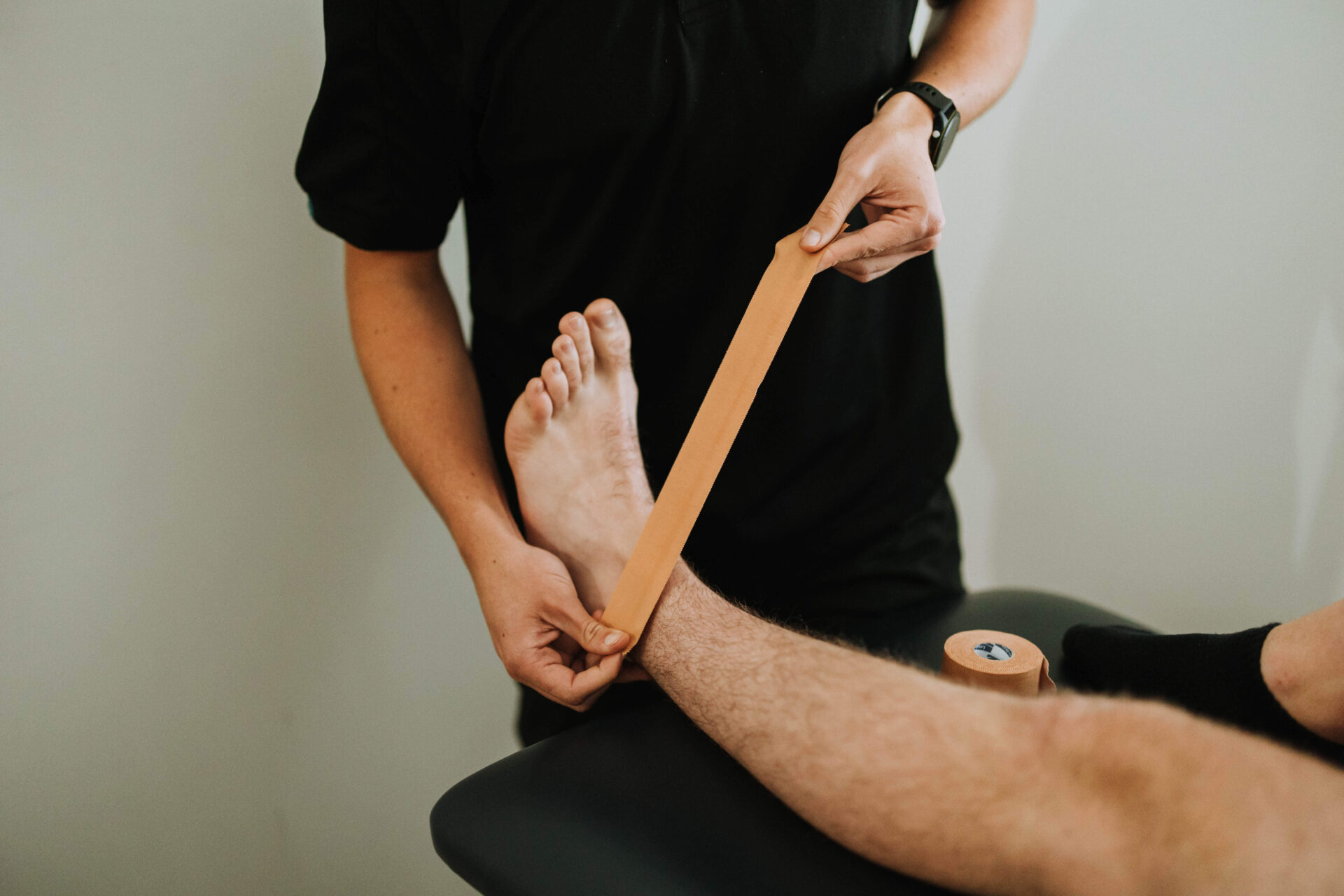
Sprained Your Ankle? Here’s What You Need to Know
Ankle sprains are one of the most common injuries seen by physiotherapists. Whether you’ve rolled your ankle playing sport, stepped awkwardly off a curb, or twisted it while walking, an ankle sprain can be painful and frustrating.
One of the first questions most people ask is: “How long will it take to heal?”
The answer depends on the severity of the injury, how it’s managed in the early stages, and whether appropriate rehabilitation is completed.
What is an Ankle Sprain?
An ankle sprain occurs when one or more ligaments around the ankle are stretched or torn. Most ankle sprains involve the ligaments on the outside of the ankle and occur when the foot rolls inward unexpectedly.
Common causes include:
- Sporting injuries
- Running on uneven surfaces
- Slipping or tripping
- Landing awkwardly from a jump
Common Symptoms of an Ankle Sprain
Symptoms may include:
- Pain around the ankle
- Swelling
- Bruising
- Difficulty walking
- Tenderness to touch
- A feeling of instability
The severity of symptoms can vary significantly depending on the extent of ligament damage.
How Long Does Recovery Take?
Grade 1 (Mild) Ankle Sprain
A mild sprain involves stretching of the ligament without significant tearing.
Typical recovery:
- 1–3 weeks
Most people can return to normal daily activities relatively quickly with appropriate management.
Grade 2 (Moderate) Ankle Sprain
A moderate sprain involves a partial ligament tear.
Typical recovery:
- 4–8 weeks
These injuries often require structured rehabilitation to restore strength, balance, and stability.
Grade 3 (Severe) Ankle Sprain
A severe sprain involves a complete ligament tear.
Typical recovery:
- 8–12+ weeks
In some cases, specialist review or further imaging may be recommended.
Why Some Ankle Sprains Take Longer to Heal
Many people assume an ankle sprain is a minor injury and simply wait for the pain to settle.
However, without proper rehabilitation, some individuals develop:
- Ongoing ankle pain
- Recurrent sprains
- Reduced balance
- Persistent swelling
- Chronic ankle instability
Research shows that previous ankle sprains are one of the strongest risk factors for future ankle
injuries.
What Should You Do Immediately After an Ankle Sprain?
Current best practice focuses on protecting the ankle while encouraging gradual movement and loading as symptoms allow.
Early management may include:
- Relative rest
- Compression
- Elevation
- Gentle movement exercises
- Gradual return to weight-bearing
Complete immobilisation is rarely required for most ankle sprains.
How Physiotherapy Can Help
Physiotherapy aims to restore:
Range of Motion
After an ankle sprain, stiffness often develops around the joint.
Strength
The muscles around the ankle, calf, and lower leg play an important role in supporting recovery.
Balance and Proprioception
Balance training helps retrain the body’s awareness of joint position and significantly reduces the risk of future sprains.
Return to Sport
For athletes, rehabilitation should include sport-specific drills and functional testing before returning to competition.
When Should You Seek Professional Assessment?
It’s worth seeking assessment if:
- You cannot comfortably walk after the injury
- Swelling is significant
- Symptoms are not improving after several days
- Your ankle repeatedly gives way
- You’ve experienced multiple ankle sprains
- You want guidance on safely returning to sport
A physiotherapist can assess the severity of the injury and develop an individualised recovery plan.
Ankle Sprain Treatment in Kilsyth
At Physio Elements, we regularly help people recover from ankle sprains, sporting injuries, and ongoing ankle instability. Through a combination of hands-on treatment, exercise rehabilitation, and return-to-sport planning, we help patients regain confidence and reduce their risk of future injuries.
If you’ve recently rolled your ankle or continue to experience ankle pain after an old injury, our team can help you get back to moving comfortably and confidently. Book online today.