
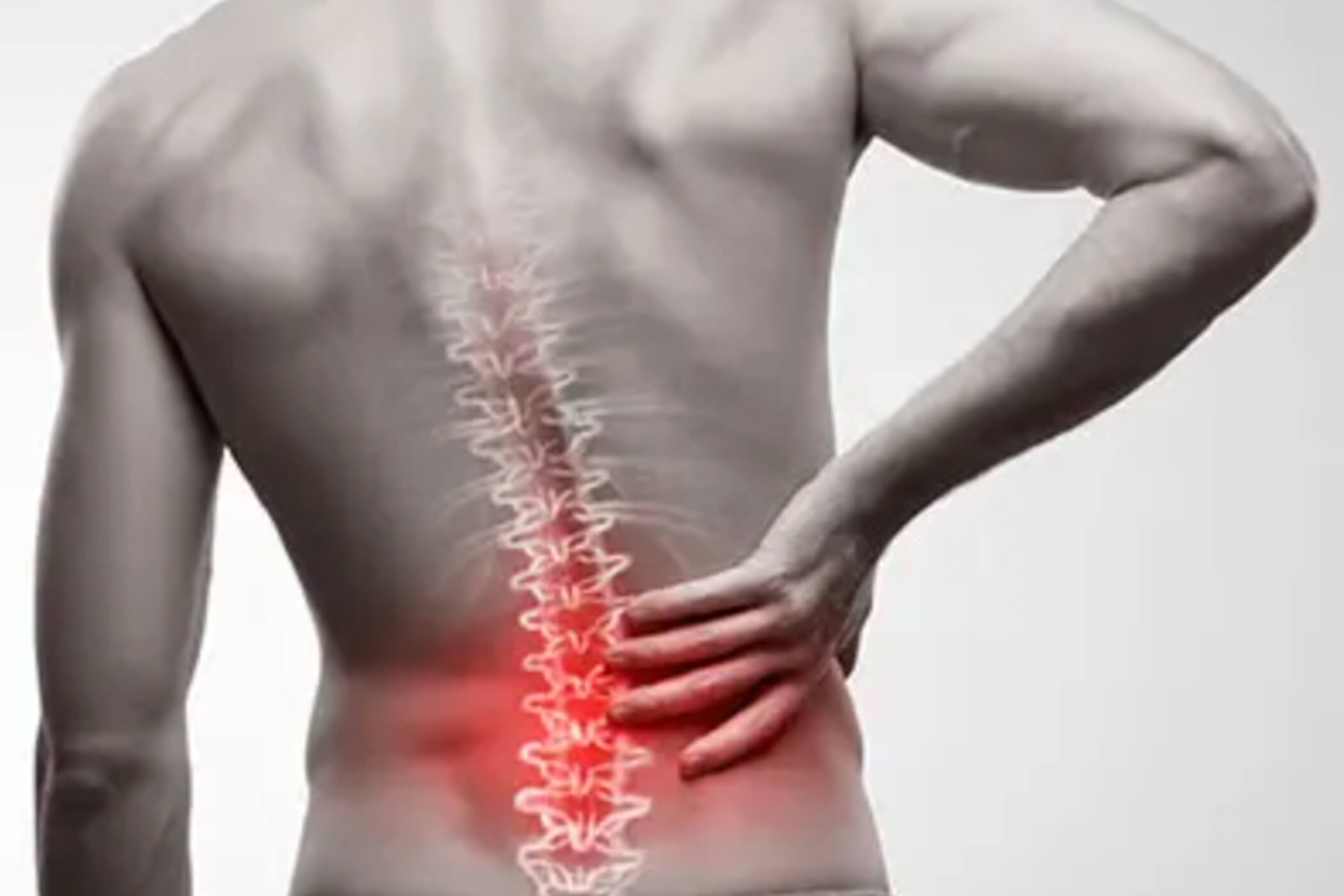
Back pain is one of the most common reasons people seek physiotherapy. Whether it comes on suddenly after lifting something heavy or develops gradually from sitting for long periods, one of the first questions many people ask is:
“Should I rest or should I keep moving?”
The answer may surprise you.
The Old Advice: Bed Rest
Years ago, people with back pain were often advised to stay in bed and avoid activity until the pain settled. While a short period of rest may be appropriate during severe flare-ups, research now shows that prolonged rest can actually delay recovery.
When we stop moving, muscles can become weaker and stiffer, joints lose mobility, and confidence in movement decreases. This can create a cycle where pain leads to inactivity, which then contributes to ongoing pain and dysfunction.
The Modern Approach: Keep Moving
For most cases of lower back pain, gentle movement is one of the best things you can do.
Walking, changing positions regularly, and performing appropriate exercises can help:
Reduce stiffness
- Improve circulation
- Maintain muscle strength
- Support joint mobility
- Promote healing
- Improve confidence in movement
The key is finding the right balance between staying active and avoiding activities that significantly aggravate your symptoms.
How Much Movement Is Too Much?
A common misconception is that pain always means damage. In many cases, mild discomfort during movement is normal and does not mean you are causing harm.
As a general guide:
- Mild increases in symptoms during activity are often acceptable.
- Symptoms should settle shortly after activity.
- Sharp, severe, or progressively worsening pain should be assessed by a healthcare
professional.
Everyone’s situation is different, which is why an individual assessment is important.
When Should You See a Physiotherapist?
While many episodes of back pain improve with time, physiotherapy can help speed up recovery and reduce the risk of future flare-ups.
A physiotherapist can:
- Identify the cause of your symptoms
- Assess movement patterns and strength
- Provide hands-on treatment if appropriate
- Develop a personalised exercise program
- Help you return to work, sport, and daily activities safely
Early intervention can often prevent a short-term problem from becoming a long-term issue.
The Bottom Line
For most people with back pain, complete rest is no longer recommended. Staying active, maintaining movement, and following appropriate exercises are usually the most effective ways to support recovery.
If you’re experiencing back pain and aren’t sure what activities are safe, a physiotherapist can help guide your recovery and create a plan tailored to your needs.
Need Help With Back Pain?
At Physio Elements, our experienced physiotherapists regularly help people recover from lower back pain, improve movement, and get back to doing the things they enjoy. Book an appointment today to start your recovery journey.