
Understanding Knee Pain on Stairs
If you’ve ever noticed pain in your knee when walking up or down stairs, you’re not alone. This is one of the most common complaints seen by physiotherapists and can affect people of all ages, from active athletes to office workers and older adults.
While occasional discomfort may not be a cause for concern, ongoing knee pain on stairs can indicate an underlying issue that may benefit from assessment and treatment.
Why Do Stairs Make Knee Pain Worse?
Walking on stairs places significantly more load through the knee joint than walking on flat ground. When climbing stairs, your quadriceps, glutes, and calf muscles must work harder to lift your body weight. When descending stairs, the knee absorbs even greater forces as it controls your body’s movement downward.
If the structures around the knee are irritated, weak, or injured, these increased demands can make symptoms more noticeable.
Common Causes of Knee Pain on Stairs
Patellofemoral Pain Syndrome (Runner’s Knee)
One of the most common causes of knee pain on stairs is Patellofemoral Pain Syndrome. This condition causes pain around or behind the kneecap and is often aggravated by:
- Climbing stairs
- Descending stairs
- Squatting
- Running
- Sitting for long periods
Contributing factors may include muscle weakness, training errors, reduced mobility, or changes in activity levels.
Knee Osteoarthritis
Osteoarthritis occurs when the cartilage within the knee joint gradually changes over time. People with knee osteoarthritis often report:
- Pain when using stairs
- Morning stiffness
- Swelling
- Difficulty standing from a chair
Although arthritis cannot be reversed, physiotherapy and exercise can significantly improve symptoms and function.
Patellar Tendinopathy (Jumper’s Knee)
The patellar tendon connects the kneecap to the shin bone and helps transfer force during movement.
When this tendon becomes irritated, activities that load the knee, including stairs, can become painful.
Symptoms often include:
- Pain below the kneecap
- Pain during jumping or running
- Stiffness after exercise
Meniscus Injuries
The meniscus acts as a shock absorber within the knee joint. A meniscus injury may cause:
- Pain during twisting movements
- Joint line tenderness
- Swelling
- Clicking or locking sensations
Stairs may aggravate symptoms due to increased compression through the knee joint.
Muscle Weakness and Poor Movement Control
Sometimes the source of knee pain isn’t damage within the knee itself. Weakness in the quadriceps, glutes, or hip muscles can alter the way forces travel through the knee, increasing stress on surrounding tissues.
This is one reason why exercise rehabilitation is often highly effective for persistent knee pain.
When Should You Be Concerned?
You should consider seeking professional assessment if you experience:
- Persistent pain lasting more than a few weeks
- Significant swelling
- Locking or catching sensations
- Knee instability or giving way
- Difficulty completing daily activities
- Pain that is worsening over time
Early assessment can help identify the cause of your symptoms and guide appropriate treatment.
How Physiotherapy Can Help
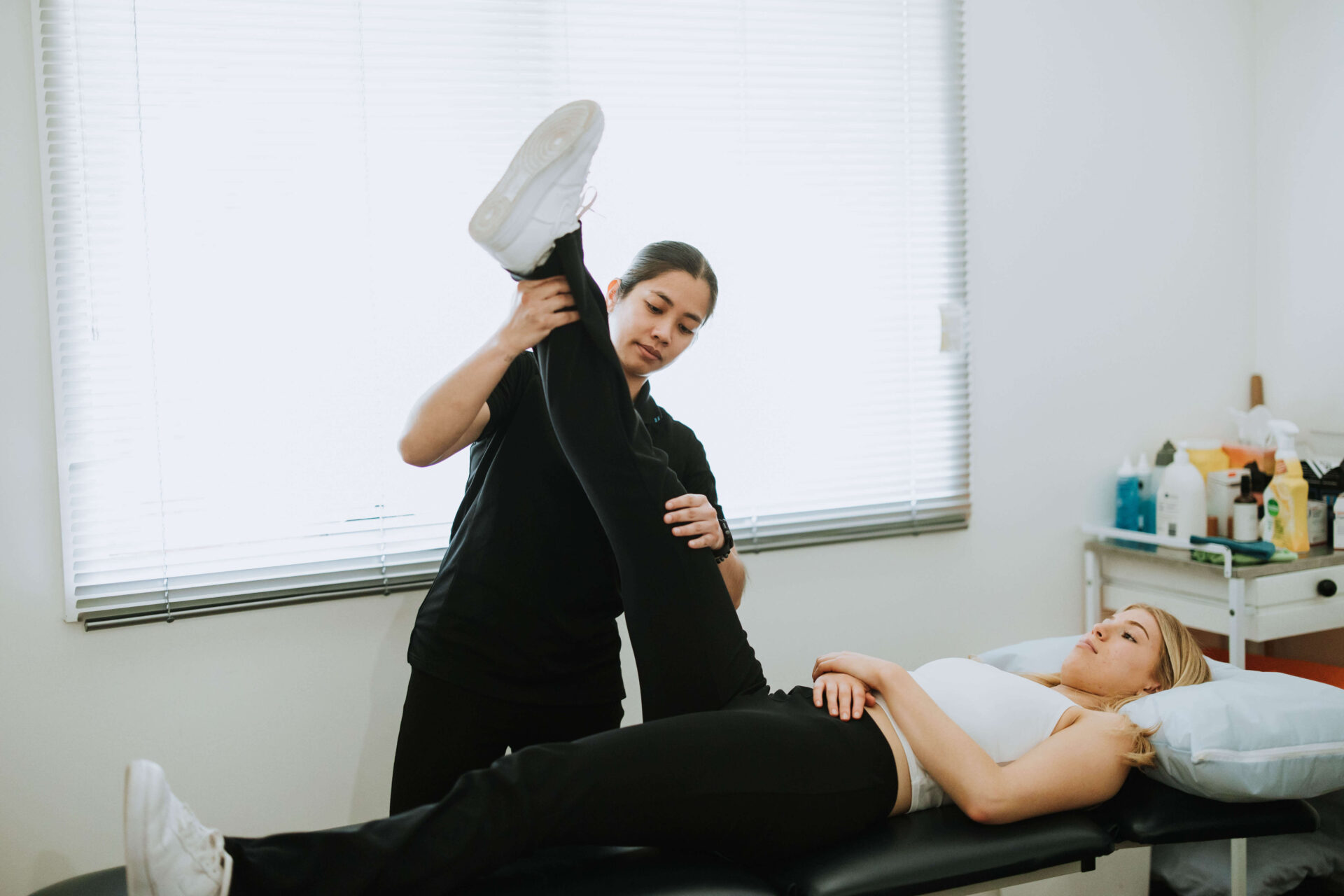
A physiotherapist can assess your knee, movement patterns, strength, mobility, and overall function to determine what’s contributing to your pain.
Treatment may include:
- Exercise rehabilitation
- Strength training
- Mobility exercises
- Hands-on therapy
- Activity modification advice
- Return-to-sport planning
The goal is not only to reduce pain but also to address the underlying factors contributing to your symptoms.
Tips to Reduce Knee Pain on Stairs
While treatment should be individualised, some general strategies include:
- Staying active where possible
- Gradually increasing activity levels
- Strengthening the quadriceps and gluteal muscles
- Maintaining healthy joint mobility
- Avoiding sudden increases in training volume
It’s important to remember that complete rest is rarely the best solution for most knee conditions.
Knee Pain Treatment in Kilsyth
At Physio Elements, we regularly assess and treat people experiencing knee pain during everyday activities such as walking, squatting, and using stairs. Whether your symptoms are related to patellofemoral pain, arthritis, a sporting injury, or another condition, our physiotherapists can help identify the cause and develop a personalised treatment plan.
If knee pain is stopping you from doing the things you enjoy, our team is here to help you move
with confidence again. Book Online Today.